Avocado Seeds: What Science Really Says About Their Potential Benefits and How to Use Them Safely
Introduction
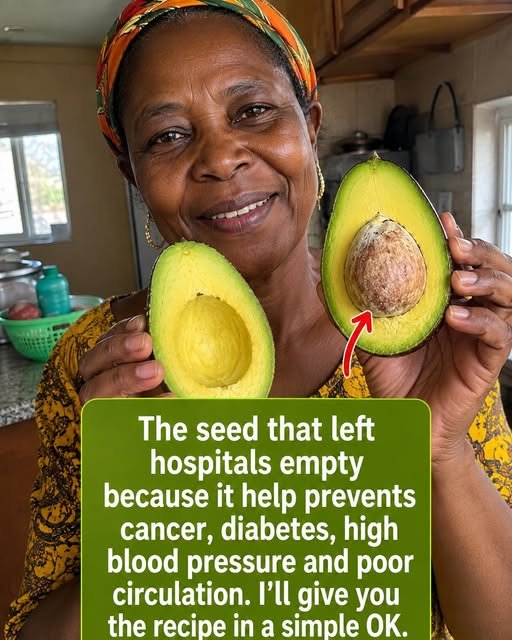
Avocados are widely appreciated for their creamy texture, healthy fats, and nutritional value. While most people enjoy the fruit itself, the large seed in the center is often discarded. In recent years, avocado seeds have attracted attention as a potential source of beneficial plant compounds.
But what does science actually say about avocado seeds? Are they safe to consume, and do they offer any meaningful health benefits? Let’s take a closer look.
What’s Inside an Avocado Seed?
Avocado seeds contain a variety of naturally occurring plant compounds, including:
Dietary fiber
Polyphenols
Antioxidants
Small amounts of vitamins and minerals
Researchers have studied these compounds because they may contribute to the seed’s biological activity. However, much of the research has been conducted in laboratories or on animals rather than in large human studies.
Potential Benefits Being Studied
Rich in Antioxidants
Avocado seeds contain antioxidant compounds that help protect plant cells from oxidative stress. Scientists are interested in these compounds because antioxidants play an important role in many foods that support overall wellness.
Source of Dietary Fiber
The seed contains significant amounts of fiber, which is important for digestive health and may help support feelings of fullness when included as part of a balanced diet.
Ongoing Research
Researchers continue to investigate the properties of avocado seed extracts. While some early findings appear promising, more high-quality human studies are needed before specific health claims can be made.
Are Avocado Seeds Safe to Eat?
This is where caution is important.
Although avocado seeds contain beneficial compounds, there is currently limited research on the long-term safety of consuming large amounts of avocado seed products.
For this reason:
Avoid consuming excessive amounts.
Use only food-grade preparations intended for consumption.
Consult a healthcare professional if you have underlying medical conditions or concerns.
At present, health authorities have not established official recommendations for regular avocado seed consumption.
Common Ways People Use Avocado Seeds
People who choose to experiment with avocado seeds often use them in small amounts.
Some common methods include:
Drying and grinding the seed into a fine powder
Adding a small amount to smoothies
Mixing with other ingredients in homemade recipes
Because the seed has a naturally bitter flavor, it is often combined with fruits or other foods.
Healthy Alternatives
If your goal is to increase antioxidant and fiber intake, there are many well-studied options available, including:
Berries
Oats
Nuts
Seeds such as chia and flaxseed
Vegetables
Whole grains
These foods have extensive research supporting their role in a balanced diet.
Final Thoughts
Avocado seeds are an interesting area of nutritional research, but current evidence is still limited. While they contain fiber and antioxidant compounds, more studies are needed to fully understand their safety and potential benefits in humans.
For now, the best approach is to focus on a varied, balanced diet rich in fruits, vegetables, whole grains, and other nutrient-dense foods. If you choose to use avocado seeds, do so in moderation and as part of an overall healthy lifestyle.